
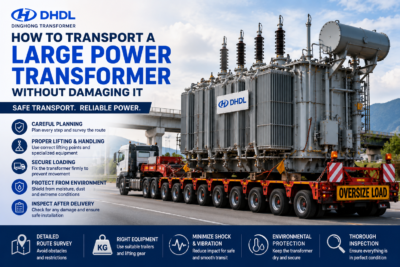
How to Transport a Large Power Transformer Without Damaging It

Transporting a large power transformer is one of the most challenging stages of a transformer projec...
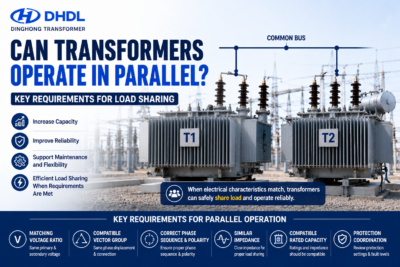
Can Transformers Operate in Parallel? Key Requirements for Load Sharing
Parallel transformer operation allows two or more transformers to supply the same electrical bus sim...
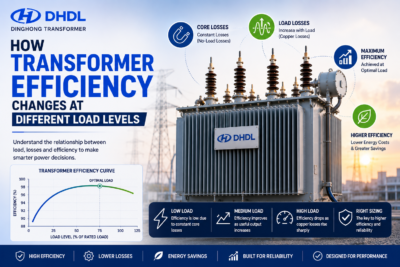
How Transformer Efficiency Changes at Different Load Levels
Transformer efficiency is one of the most important factors when evaluating the operating cost and l...
Transformer Winding Resistance Test: What the Results Tell Engineers
A transformer winding resistance test is an important test used to evaluate transformer windings, co...
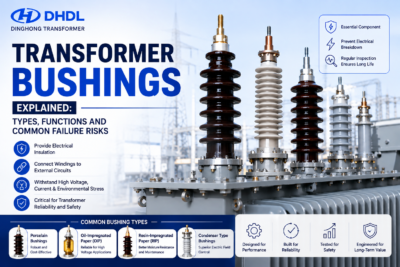
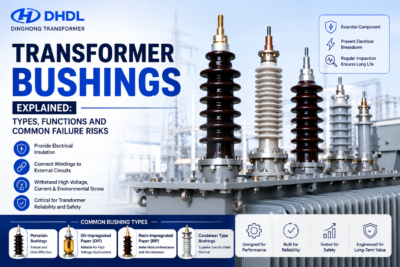
Transformer Bushings Explained: Types, Functions and Common Failure Risks
Transformer bushings are essential components that allow electrical conductors to pass safely throug...
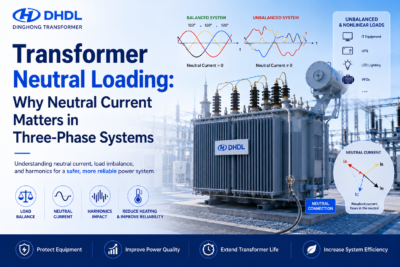
Transformer Neutral Loading: Why Neutral Current Matters in Three-Phase Systems
Three-phase power systems are widely used in factories, commercial buildings, data centers, processi...
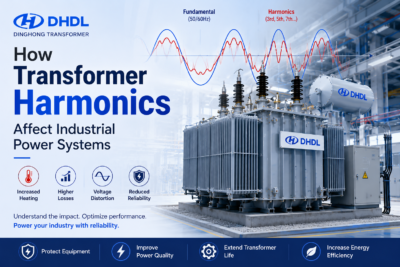
How Transformer Harmonics Affect Industrial Power Systems
Modern industrial facilities rely on variable frequency drives, rectifiers, UPS systems, battery cha...
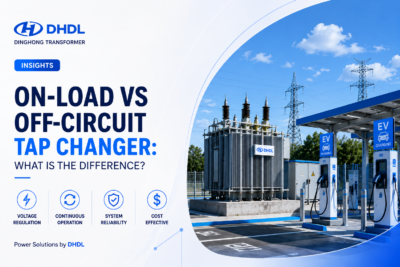
On-Load vs Off-Circuit Tap Changer: What Is the Difference?
Voltage stability is critical in industrial facilities, substations, renewable-energy projects, and ...
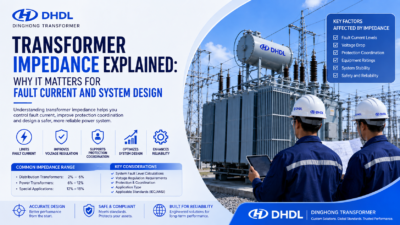
Transformer Impedance Explained: Why It Matters for Fault Current and System Design
Transformer impedance is one of the most important technical specifications on a transformer namepla...