Dry-Type Transformer vs Oil-Immersed Transformer: 7 Key Differences Buyers Should Know

When selecting a transformer for an industrial plant, commercial building, data center, renewable energy project, or municipal power system, buyers usually compare two common options: dry-type transformers and oil-immersed transformers.
Many buyers focus only on voltage, capacity, and purchase price. However, installation conditions, fire protection requirements, maintenance costs, energy losses, and long-term operating risks can have a greater impact on the total project cost.
So, what is the difference between a dry-type transformer and an oil-immersed transformer? Which one is more suitable for your project?
This guide explains the seven most important differences and provides practical advice for transformer selection.
1. Insulation and Cooling Methods
The main difference between dry-type and oil-immersed transformers is their insulation and cooling system.
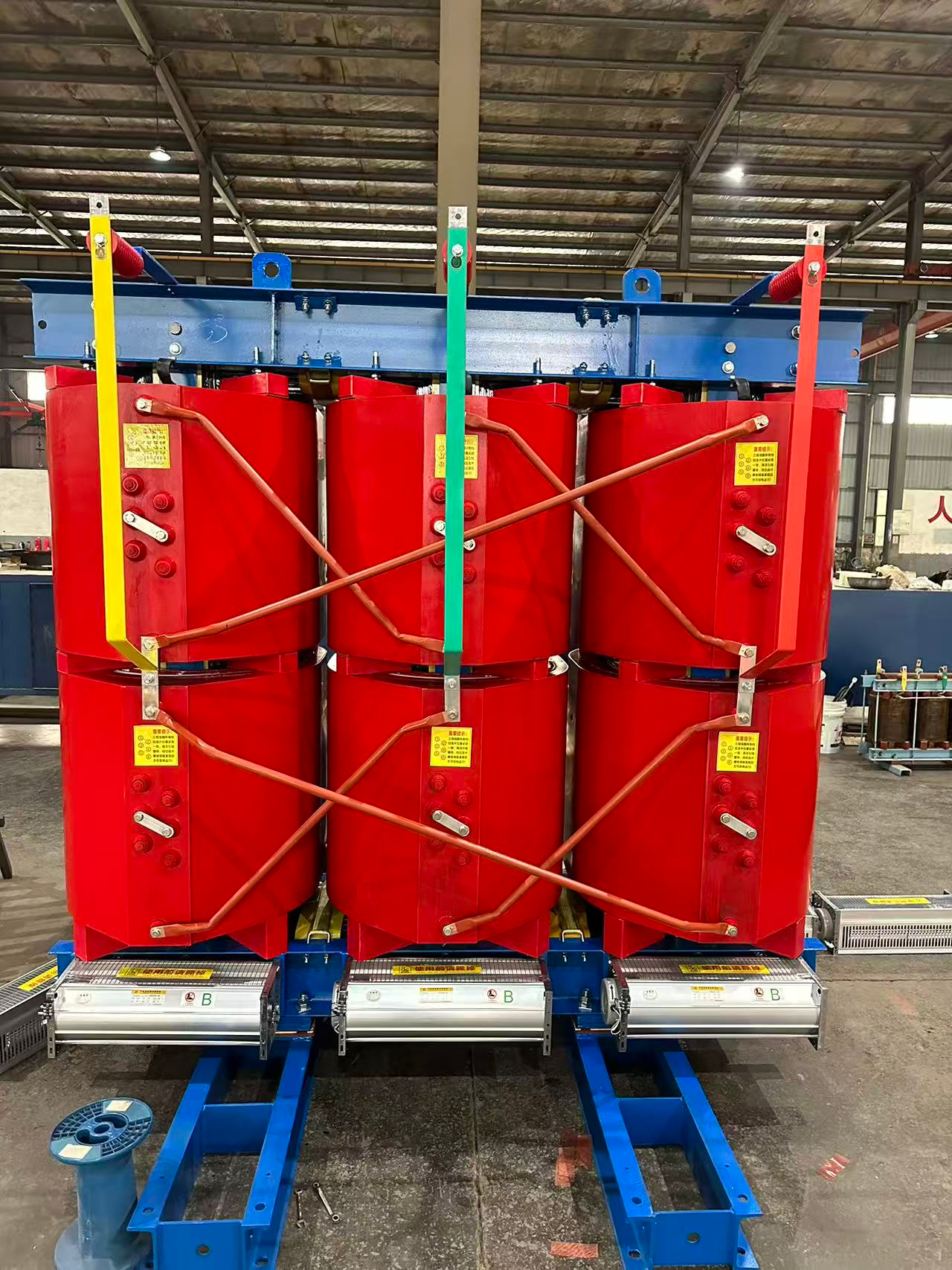
A dry-type transformer does not use insulating oil. Its windings are usually protected by cast resin, epoxy resin, or vacuum pressure impregnation technology. Heat is mainly dissipated through natural air circulation or forced air cooling.
Because there is no insulating liquid, dry-type transformers have no oil leakage risk and are widely used in indoor environments.
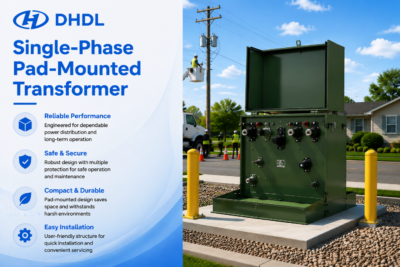
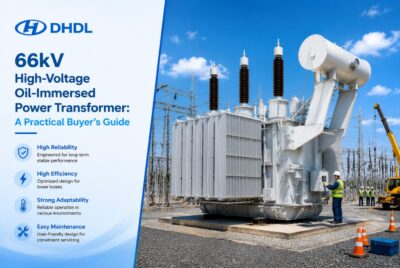
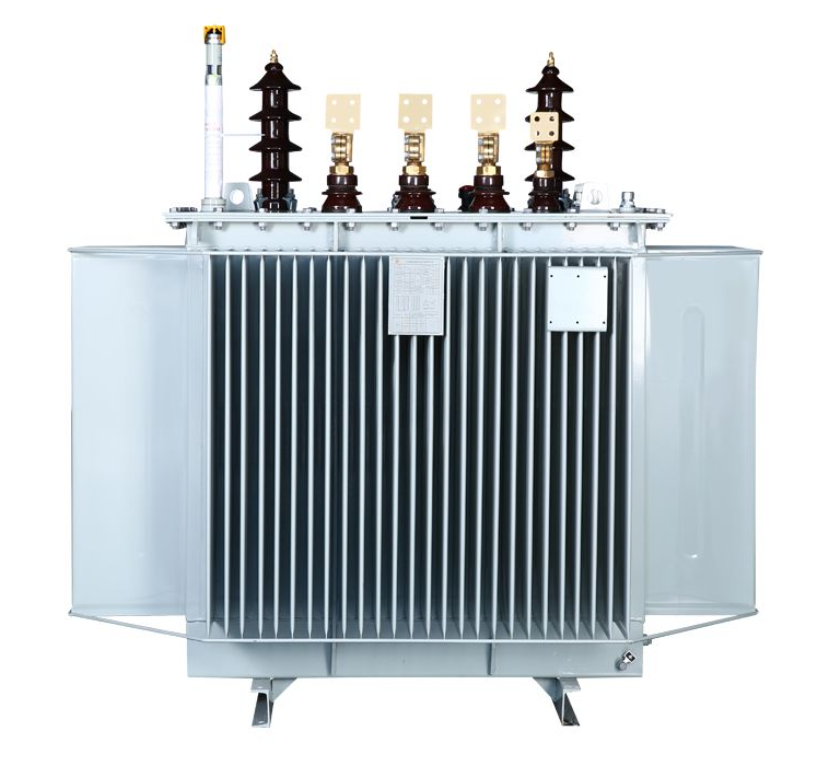
An oil-immersed transformer places its core and windings inside insulating oil. The oil provides both electrical insulation and heat dissipation. This design offers efficient cooling and is commonly used in outdoor substations, industrial power systems, utility networks, and compact substations.
In simple terms:
Dry-type transformers use solid insulation and air cooling, while oil-immersed transformers use insulating liquid for insulation and cooling.
2. Fire Safety and Environmental Performance
Fire safety is one of the main reasons buyers choose dry-type transformers.
Since dry-type transformers do not contain insulating oil, they reduce the risks associated with oil leakage, liquid combustion, and environmental contamination. This makes them suitable for locations with strict fire safety requirements.
Typical applications include:
- Hospitals
- Schools
- Airports
- Metro systems
- Shopping centers
- Office buildings
- Data centers
- Indoor industrial facilities
Oil-immersed transformers can also operate safely when they are properly designed, installed, and maintained. However, some projects may require additional fire protection facilities, oil containment systems, fire-resistant rooms, or minimum safety distances.
For projects located near personnel, production areas, or sensitive equipment, the cost of these additional facilities should be included in the transformer selection process.
3. Installation Location
Dry-type transformers are generally suitable for indoor applications and locations close to the load center.
Common installation locations include:
- Indoor electrical rooms
- Basements
- Commercial buildings
- Hospitals and schools
- Data centers
- Airports and rail transit systems
- Manufacturing facilities
- High-rise buildings
Oil-immersed transformers are commonly used in:
- Outdoor substations
- Utility distribution networks
- Industrial parks
- Mining projects
- Rural power systems
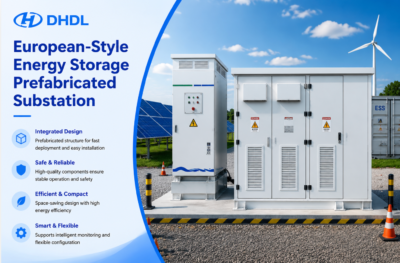
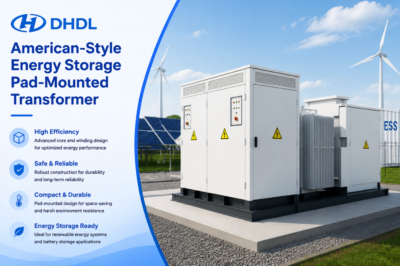
- Solar and wind power projects
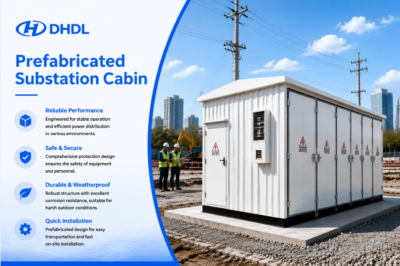
- Prefabricated substations
- Large manufacturing plants
However, it is not always correct to assume that dry-type transformers are only for indoor use and oil-immersed transformers are only for outdoor use.
Outdoor dry-type transformers can be supplied with weather-resistant enclosures, while some oil-immersed transformers can be installed indoors when local fire regulations are satisfied.
The final decision should consider temperature, humidity, altitude, dust, corrosion, ventilation, enclosure protection level, and local electrical standards.
4. Initial Price vs Total Project Cost
Oil-immersed transformers usually offer a lower initial purchase price under similar voltage and capacity conditions. For this reason, they are often selected for cost-sensitive outdoor projects.
Dry-type transformers may have a higher equipment price, but they can reduce other project expenses.
When comparing transformer costs, buyers should calculate the total cost of ownership, including:
- Transformer purchase price
- Transportation costs
- Installation expenses
- Fire protection systems
- Oil containment facilities
- Ventilation requirements
- Energy losses
- Routine maintenance
- Downtime risks
- Equipment service life
One commonly overlooked cost is civil engineering.
For example, an oil-immersed transformer installed close to a commercial building or production workshop may require additional fire barriers, oil collection facilities, or a separate transformer room. These construction costs may exceed the price difference between the two transformer types.
Therefore, buyers should not make a decision based only on the transformer quotation.
5. Maintenance Requirements
Dry-type transformers generally require less routine maintenance because they do not contain insulating oil.
Typical maintenance work includes:
- Cleaning dust from windings and ventilation channels
- Checking electrical connections
- Monitoring operating temperature
- Inspecting cooling fans
- Checking insulation resistance
- Confirming ventilation conditions
However, a dry-type transformer is not completely maintenance-free.
Dust accumulation, poor ventilation, high ambient temperature, and continuous overload can still affect insulation performance and operating life.
Oil-immersed transformers require additional inspection of:
- Oil level
- Oil temperature
- Oil quality
- Tank sealing
- Bushings
- Breathers
- Gaskets
- Potential oil leakage
For large-capacity transformers or critical power systems, oil testing and dissolved gas analysis may also be required.
6. Capacity, Voltage, and Technical Selection
Dry-type transformers are widely used in medium-voltage distribution systems.
Dinghong dry-type transformer solutions can be configured for voltage classes such as 6kV, 10kV, 11kV, 20kV, 22kV, 33kV, and 38.5kV, depending on project requirements.
Available capacities, secondary voltages, tap ranges, impedance values, and vector groups can also be customized.
Before requesting a quotation, buyers should confirm the following information:
- Rated capacity in kVA or MVA
- Primary voltage
- Secondary voltage
- Frequency, such as 50Hz or 60Hz
- Vector group, such as Dyn11, Yyn0, or Yd11
- Short-circuit impedance
- Tap changer range
- Copper or aluminum winding
- No-load and load loss requirements
- Indoor or outdoor installation
- Ambient temperature
- Installation altitude
- Enclosure protection level
- Applicable IEC or ANSI/IEEE standard
A quotation based only on capacity is usually not accurate.
For example, two 1000kVA transformers can have very different prices if they use different voltage combinations, winding materials, loss levels, impedance values, enclosures, and technical standards.
7. Which Transformer Should You Choose?
A dry-type transformer is usually the better choice when:
- The transformer will be installed indoors
- Fire safety is a major concern
- The project is located in a personnel-intensive area
- Oil leakage must be avoided
- Low maintenance is required
- The transformer needs to be installed close to the load center
- The project is a hospital, airport, metro station, data center, or commercial building
An oil-immersed transformer is usually more suitable when:
- The transformer will be installed outdoors
- The project requires efficient heat dissipation
- Initial equipment cost is a major consideration
- The installation area has sufficient space
- The project is a utility, industrial, mining, or renewable energy application
- Routine oil maintenance can be properly managed
Neither transformer type is universally better.
The correct choice depends on the operating environment, load characteristics, fire regulations, local standards, maintenance capability, and total project budget.
Hidden Costs Buyers Often Ignore
When comparing dry-type and oil-immersed transformers, buyers should pay attention to several hidden costs.
The first is energy loss. A transformer usually operates for many years, so even a small difference in no-load loss and load loss can create a significant long-term electricity cost.
The second is installation modification. Fire protection rooms, oil pits, ventilation systems, cable adjustments, and foundation work can increase the final project cost.
The third is downtime. In factories, data centers, hospitals, and other critical facilities, the cost of a transformer failure may be much higher than the equipment price.
The fourth is local compliance. A lower-priced transformer may become more expensive if it does not meet the required voltage standard, efficiency level, insulation class, noise limit, or certification requirements.
For this reason, professional transformer selection should always begin with complete technical information.
Conclusion
Dry-type transformers and oil-immersed transformers have different advantages.
Dry-type transformers are suitable for indoor projects that require improved fire safety, low maintenance, environmental protection, and flexible installation.
Oil-immersed transformers are widely used in outdoor distribution, industrial power systems, utility projects, renewable energy facilities, and applications that require mature cooling performance and competitive initial costs.
Dinghong manufactures dry-type transformers, oil-immersed transformers, power transformers, compact substations, switchgear, and related power distribution equipment.
Transformer specifications can be customized according to voltage, capacity, frequency, vector group, winding material, climate conditions, installation environment, and national electrical standards.
To receive an accurate transformer solution and quotation, please provide your primary voltage, secondary voltage, rated capacity, frequency, quantity, application, installation location, and required standard.
FAQ
1. Is a dry-type transformer safer than an oil-immersed transformer?
Dry-type transformers are often preferred for indoor and personnel-intensive locations because they do not use insulating oil. This reduces the risks of oil leakage and liquid fire. However, both transformer types can operate safely when properly selected, installed, and maintained.
2. Can a dry-type transformer be installed outdoors?
Yes. A dry-type transformer can be installed outdoors when it is equipped with a suitable weather-resistant enclosure. The design should consider rain, dust, condensation, corrosion, ventilation, and ambient temperature.
3. Can an oil-immersed transformer be installed indoors?
Yes, but the installation may require fire-resistant rooms, oil containment facilities, ventilation, fire separation, and compliance with local safety regulations.
4. Which transformer is more economical?
Oil-immersed transformers usually have a lower initial purchase price. Dry-type transformers may reduce fire protection, oil maintenance, and environmental management costs. Buyers should compare the total project cost rather than only the equipment price.
5. Does a dry-type transformer require maintenance?
Yes. Dry-type transformers require less maintenance than oil-immersed transformers, but they still need regular cleaning, temperature monitoring, connection inspection, insulation testing, and ventilation checks.
6. Which transformer is better for a data center?
Dry-type transformers are commonly selected for data centers because they provide oil-free operation, lower fire risk, convenient indoor installation, and reduced maintenance requirements.
7. What information is required for a transformer quotation?
Buyers should provide rated capacity, primary voltage, secondary voltage, frequency, vector group, impedance, winding material, installation environment, applicable standard, quantity, and required delivery time.