
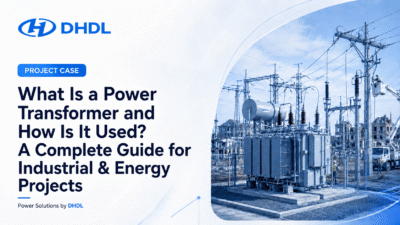
What Is a Power Transformer and How Is It Used? A Complete Guide for Industrial & Energy Projects

Learn what a power transformer is, how it works, different types, applications, selection factors, and why it is essential for industrial, utility, and renewable energy projects.
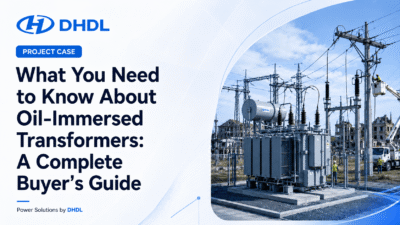
What You Need to Know About Oil-Immersed Transformers: A Complete Buyer’s Guide
Learn everything about oil-immersed transformers, including how they work, advantages, cooling methods, applications, maintenance, and key factors to consider before purchasing.
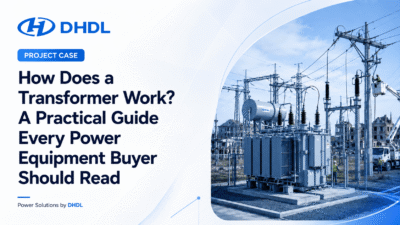
How Does a Transformer Work? A Practical Guide Every Power Equipment Buyer Should Read
Learn how a transformer works, including electromagnetic induction, transformer components, step-up vs step-down transformers, dry-type vs oil-immersed designs, and practical selection tips for industrial and renewable energy projects.
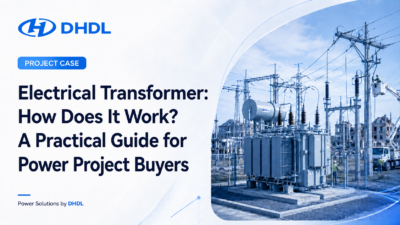
Electrical Transformer: How Does It Work? A Practical Guide for Power Project Buyers
Learn how an electrical transformer works, including electromagnetic induction, voltage ratios, losses, cooling methods, transformer types, and practical selection tips.
Dry-Type Transformer vs Oil-Immersed Transformer: 7 Key Differences Buyers Should Know
Compare dry-type and oil-immersed transformers by insulation, fire safety, installation, maintenance, cost, efficiency, and applications. Learn how to choose the right transformer for your project.