11kV & 33kV Transformer Solutions for Nigeria Power Distribution Projects
Explore transformer solutions for Nigeria’s 11kV and 33kV distribution networks, industrial facilities, infrastructure and injection substation projects. DHDL reviews transformer requirements against the actual voltage ratio, capacity, installation conditions and project specifications.
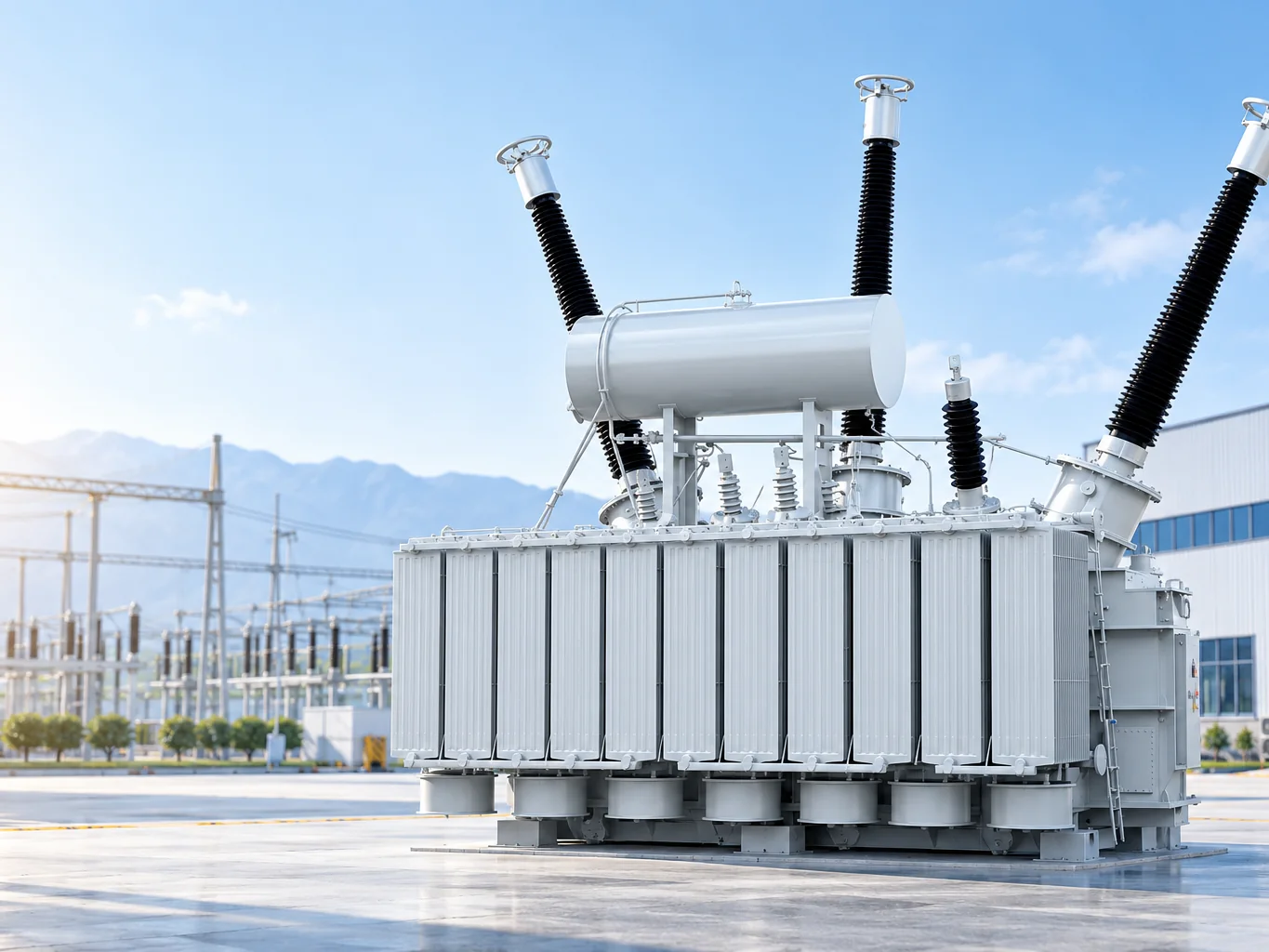
Illustrative image, not an installation photographed in Nigeria.
Understanding Nigeria’s Distribution Voltage Levels
Nigeria’s distribution system is structured around 33kV primary distribution and 11kV secondary distribution networks, with low-voltage supply serving final users. Transformer selection must follow the actual point of connection, load requirement and utility specification rather than relying on voltage level alone.
33 kV
A principal distribution level used for major feeders, industrial connections and supply to 33/11kV injection substations.
11 kV
Widely used for local distribution feeders supplying residential, commercial, public-sector and industrial loads across Nigeria.
400 / 230 V
Nigerian distribution standards identify 400V phase-to-phase and 230V phase-to-neutral as nominal low-voltage supply levels.
Voltage Levels and Transformer Specification Considerations
Use this table as an initial electrical reference. Nominal network voltage, transformer winding voltage, insulation level, tapping range and short-circuit requirements are separate engineering parameters.
| Grid context | Reference voltage | Transformer evaluation | Technical reminder |
|---|---|---|---|
| Primary distribution | 33 kV | Distribution, industrial and injection-substation applications | Confirm utility connection, insulation and protection requirements |
| Secondary distribution | 11 kV | Distribution transformers serving local and industrial loads | Confirm secondary voltage, tapping, impedance and vector group |
| Injection substation | 33 / 11 kV | Power transformers supplying downstream 11kV feeder networks | Capacity and winding arrangement require project-specific review |
| Local distribution transformer | 11 / 0.4 kV | Step-down supply toward low-voltage distribution loads | Confirm LV output and actual utility specification |
| Low-voltage distribution | 400 / 230 V | Consumer and facility supply context | Final output must match project and utility requirements |
Source context: Nigerian Electricity Regulatory Commission Distribution Code and Nigerian Electricity Supply and Installation Standards. Always verify project-specific DISCO, tender and technical requirements.
Transformer Categories for Nigeria-Focused Projects
Begin with the project connection voltage and load characteristics, then select the transformer construction, capacity and winding configuration appropriate to the application.
11kV Distribution Transformers
Distribution transformer configurations for local utility networks, commercial developments, industrial facilities and infrastructure loads.
Explore transformers →33kV Distribution Transformers
Transformer configurations for higher-capacity distribution, dedicated industrial supply and projects connected directly to 33kV networks.
Explore transformers →33/11kV Substation Transformers
For injection substations and project-specific grid-interface applications, subject to rated capacity, winding arrangement, standards and engineering review.
Discuss a specification →What Buyers Should Confirm Before Selecting a Transformer
01. HV/LV Voltage Ratio
Confirm whether the project requires 33/11kV, 11/0.4kV or another transformer ratio, together with tapping range and utility interface.
02. Rated Capacity
Specify kVA or MVA rating, expected demand, peak loads, future capacity requirements and transformer loading conditions.
03. Climate & Site Conditions
Provide ambient temperature, humidity, rainfall, dust exposure, ventilation, altitude and indoor or outdoor installation conditions.
04. Electrical Coordination
Confirm 50Hz operation, vector group, impedance, neutral arrangement, protection scheme and short-circuit requirements.
05. Standards & Import Requirements
Share NERC, NESIS, IEC, SONCAP, utility or tender requirements, together with required type tests, routine tests and certificates.
06. Logistics & Documentation
Confirm destination, shipping requirements, drawings, nameplate data, technical brochures, test reports and required project documentation.
Applications Across Nigeria’s Power Distribution Network
Utility Distribution & Network Reinforcement
11kV and 33kV transformer configurations for local distribution, feeder reinforcement, network expansion and electricity supply.
Industrial & Dedicated Power Supply
Transformers for factories, industrial estates, process equipment, commercial facilities and dedicated 11kV or 33kV connections.
33/11kV Injection Substations
Engineering review for injection substations and higher-capacity power distribution projects requiring transformation from 33kV to downstream 11kV feeders.
Specification Review, Manufacturing & Quality Control
DHDL supplies transformers and power distribution equipment for utility, industrial and infrastructure applications. We begin with the buyer’s single-line diagram, electrical requirements and acceptance criteria to identify technically suitable configurations.
For Nigeria projects, buyers should clearly identify whether the connection is 11kV or 33kV, provide the required secondary voltage and capacity, and confirm applicable DISCO, NERC, NESIS, SONCAP or project-specific requirements.
Browse transformer range →FAQ: Transformers for Nigeria
Which distribution voltages are used in Nigeria?
Nigerian Electricity Regulatory Commission documentation identifies 33kV and 11kV as major distribution voltage levels, with 400V and 230V used for low-voltage supply. The exact transformer ratio depends on the project’s point of connection.
What is the difference between 33kV and 11kV distribution in Nigeria?
Nigerian standards identify 33kV as a primary distribution voltage and 11kV as a secondary distribution voltage. 33/11kV injection substations commonly transform power for downstream 11kV feeder networks.
Are 33/11kV injection substations common in Nigeria?
Yes. NERC and distribution-company network documents show numerous 33/11kV injection substations with different transformer capacities. The correct MVA rating and configuration depend on the individual project.
What frequency is used in Nigeria?
Nigeria’s nominal power-system frequency is 50Hz. Transformer specifications should nevertheless confirm frequency together with voltage ratio, impedance, vector group and protection requirements.
What documents may be required for importing transformers into Nigeria?
NERC’s transformer importation permit requirements include transformer capacity, voltage ratio, vector group, technical brochure, commercial documentation, SONCAP product certification and relevant type-test documentation. Requirements should be confirmed for the specific shipment and project.
What information should I send DHDL for a quotation?
Provide the single-line diagram, HV/LV voltage ratio, rated capacity, quantity, frequency, vector group, tapping requirements, impedance, site conditions and required technical standards or tests.
Planning an 11kV or 33kV Transformer Project in Nigeria?
Send your HV/LV voltage ratio, rated capacity, project application, installation conditions, quantity and relevant technical documents. Our team can review the requirements and discuss suitable transformer options.
Technical reference sources: Nigerian Electricity Regulatory Commission — Distribution Code ; Nigerian Electricity Supply and Installation Standards ; NERC — Transformer Importation Permit Requirements . Grid context is informational; transformer specifications, compliance, import requirements and availability require project-specific review.