
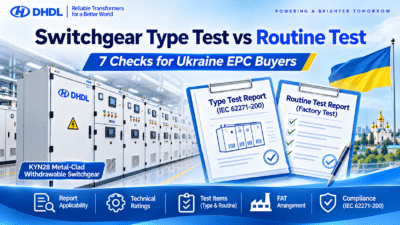
Switchgear Type Test vs Routine Test: 7 Checks for Ukraine EPC Buyers

Compare switchgear type and routine tests under IEC 62271. Learn 7 report checks, FAT requirements and RFQ documents for Ukraine EPC projects.
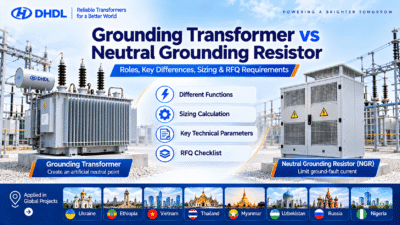
Grounding Transformer vs Neutral Grounding Resistor: Key Differences, Sizing & RFQ Checklist
Compare grounding transformers and neutral grounding resistors. Learn fault-current sizing, key specifications, hidden costs and RFQ requirements.

Transformer Sizing for EV Fast Charging Stations: kVA Calculation, Grid Requirements & RFQ Checklist
Learn how to size transformers for EV fast charging stations. Includes kVA formulas, 120–480kW charger examples, real project data and an RFQ checklist.
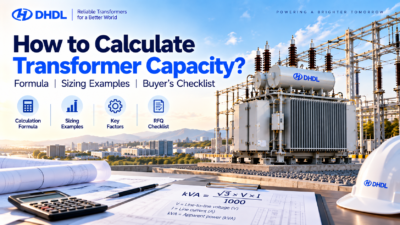
How to Calculate Transformer Capacity (kVA): Formula, Sizing Examples & Buyer’s Checklist
Learn how to calculate transformer capacity using kW, kVA, power factor and three-phase current. Includes sizing examples, technical specifications and an RFQ checklist.
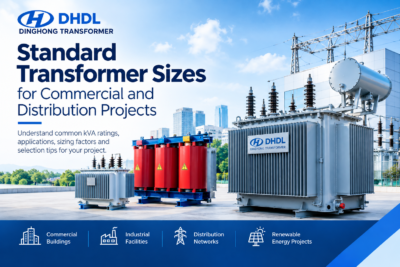
Standard Transformer Sizes for Commercial and Distribution Projects

Choosing the right transformer size is one of the most important decisions in a commercial or electr...
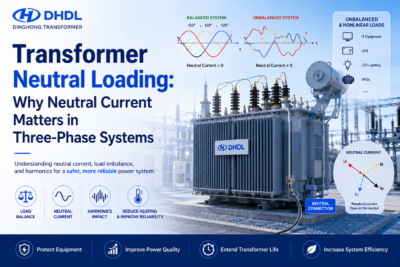
Transformer Neutral Loading: Why Neutral Current Matters in Three-Phase Systems
Three-phase power systems are widely used in factories, commercial buildings, data centers, processi...
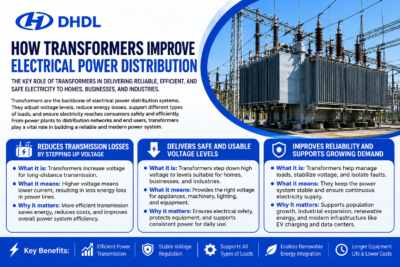
How Transformers Improve Electrical Power Distribution.

Transformers play a vital role in electrical power distribution by stepping voltage up or down, reducing energy losses, improving voltage stability, supporting different types of electrical loads, and enabling reliable electricity delivery to homes, businesses, and industries. Discover how efficient transformer technology helps create a safer, more reliable, and cost-effective power distribution system.
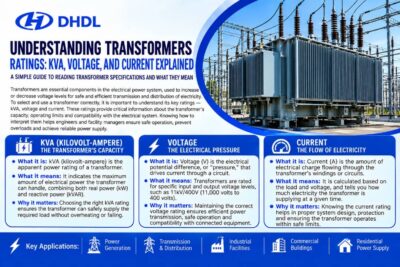
Understanding Transformer Ratings: kVA, Voltage, and Current Explained.
Understanding transformer ratings is essential for selecting the right electrical transformer. Learn how kVA, voltage, and current work together to determine transformer capacity, prevent overloading, improve efficiency, ensure safe operation, and extend transformer service life.
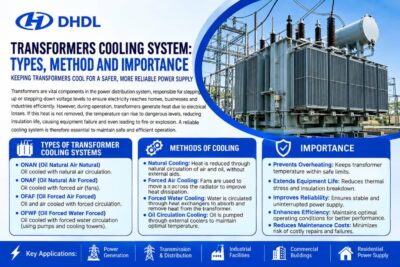
Transformer Cooling System: Types, Methods, and Importance
A transformer cooling system is essential for preventing overheating and protecting critical components. Learn about the different types and methods of transformer cooling, including natural air, forced air, oil-based, and water-cooled systems, and discover how proper cooling improves reliability, efficiency, and transformer service life.