
10kV Transformer Solutions for Russia’s Power Distribution Projects
Explore transformer solutions for Russia’s 10kV distribution networks, industrial facilities, infrastructure and substation applications. DHDL reviews transformer requirements against the actual voltage ratio, rated capacity, site conditions and project technical specifications.
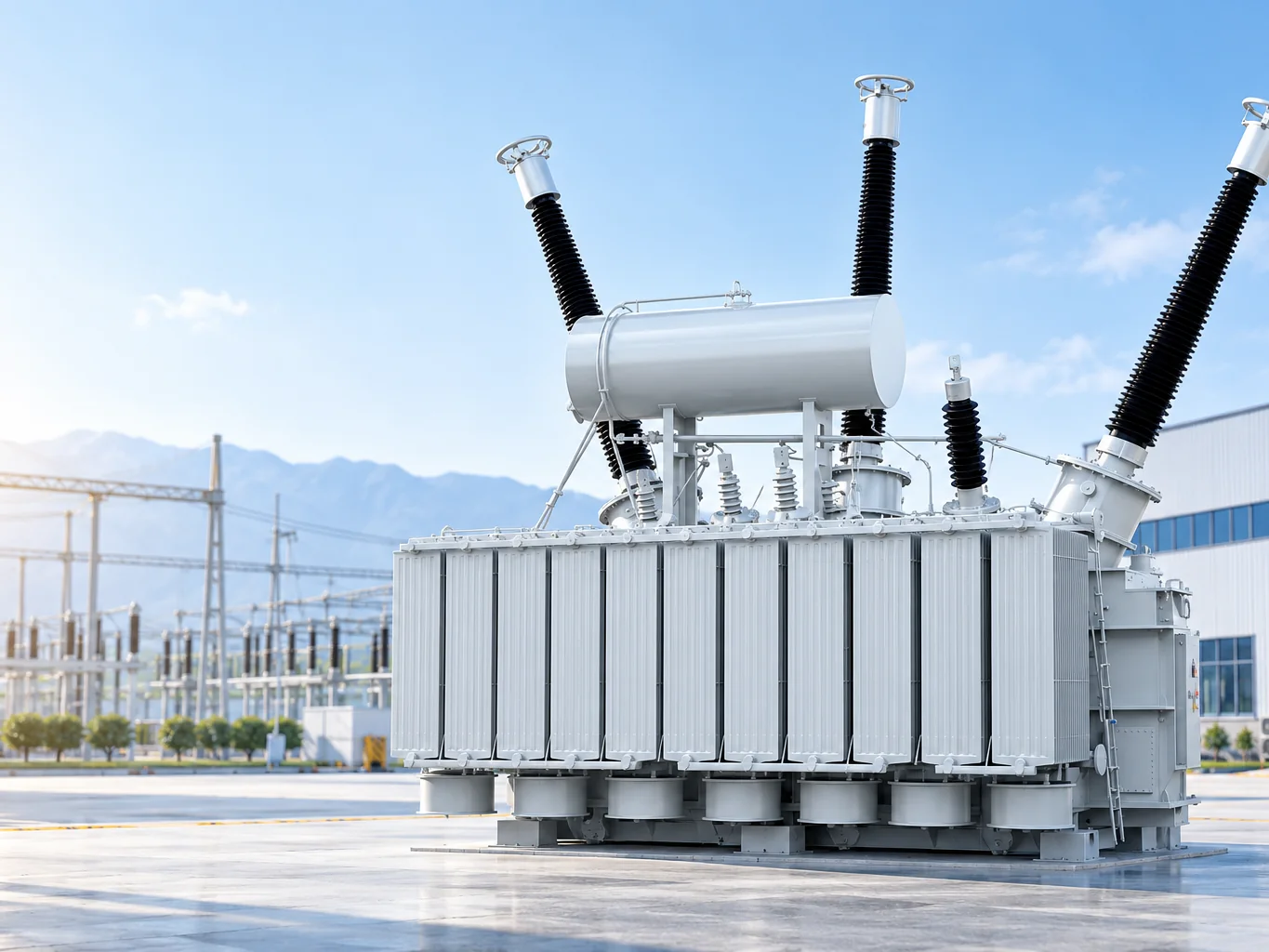
Illustrative image, not an installation photographed in Russia.
Understanding Russia’s Distribution Voltage Levels
Russia operates an extensive distribution network with multiple medium- and high-voltage levels. 6kV and 10kV networks are widely used for local distribution, while 35kV and 110kV systems support regional substations and higher-capacity connections. For many distribution transformer projects, 10kV is a key specification reference.
10 kV
A widely used medium-voltage level for local distribution networks, industrial facilities, residential developments and infrastructure connections.
6 kV
6kV networks also remain in use in parts of Russia, particularly in existing industrial and distribution infrastructure. The actual connection voltage must be confirmed for each project.
35 / 110 kV
These voltage levels are widely used for regional distribution substations and grid supply. They provide network context rather than an implied product availability statement.
Voltage Levels and Transformer Specification Considerations
Use this table as an initial network reference. Grid voltage, transformer winding voltage, equipment insulation level and tapping requirements are separate design inputs and must be confirmed from the actual project specification.
| Grid context | Reference voltage | Transformer evaluation | Technical reminder |
|---|---|---|---|
| Local medium-voltage distribution | 10 kV | Distribution transformers serving local, commercial and industrial loads | Confirm actual secondary voltage, tapping and load conditions |
| Distribution transformer | 10 / 0.4 kV | Common step-down configuration for local low-voltage supply | Confirm LV system voltage and project-specific utility requirements |
| Existing MV networks | 6 kV | Distribution or industrial transformer applications where 6kV supply exists | Do not assume 10kV where an existing facility is connected at 6kV |
| Regional distribution substations | 35 / 110 kV | Project-specific power transformer and substation review | Capacity, winding arrangement and insulation require engineering confirmation |
| Transmission grid context | 220 kV and above | Grid context only | No implied DHDL product or supply commitment |
Source context: Rosseti and Russian Ministry of Energy documentation. Always verify project-specific utility, tender, equipment and technical requirements.
Transformer Categories for Russia-Focused Projects
Start with the electrical connection and application requirements, then select the transformer construction, voltage ratio and rated capacity suitable for the project.
10kV Distribution Transformers
Oil-immersed distribution transformer configurations for 10kV local networks, utility distribution, commercial developments and industrial power supply.
Explore transformers →Dry-Type Transformers
For indoor industrial, commercial and infrastructure applications where environmental, installation or fire-safety requirements favor dry-type designs.
Explore transformers →Substation Power Transformers
For 35kV, 110kV and other project-specific substation applications, subject to engineering review, technical requirements and manufacturing capability confirmation.
Discuss a specification →What Buyers Should Confirm Before Selecting a Transformer
01. HV/LV Voltage Ratio
Confirm whether the project requires 10/0.4kV, 6/0.4kV, 35/10kV or another winding configuration, together with tapping and utility interface requirements.
02. Rated Capacity
Specify kVA or MVA rating, expected load profile, peak demand, transformer loading, efficiency requirements and future expansion.
03. Climate & Site Conditions
Provide minimum and maximum ambient temperatures, altitude, indoor or outdoor installation, snow, wind, dust and other environmental conditions relevant to the site.
04. Electrical Coordination
Confirm frequency, vector group, impedance, neutral arrangement, short-circuit requirements, protection and switching coordination.
05. Standards & Testing
Share applicable GOST, IEC, utility or tender requirements, loss limits, routine tests, inspection requirements and acceptance criteria.
06. Logistics & Documentation
Confirm shipment destination, technical drawings, nameplate requirements, test reports, accessories, packing and delivery scope.
Applications Across Russia’s Power Distribution Network
Utility & Local Distribution
10kV and project-specific transformer configurations for local power networks, feeder connections and distribution substations.
Industrial & Manufacturing Facilities
Transformer solutions for industrial incoming supply, process equipment, production loads and electrical capacity expansion.
Infrastructure & Substation Projects
Technical transformer review for commercial developments, infrastructure, data facilities and higher-capacity grid connection projects.
Specification Review, Manufacturing & Quality Control
DHDL supplies transformers and power distribution equipment for utility, industrial and infrastructure applications. We begin with the buyer’s electrical drawings, operating conditions and technical requirements to identify technically suitable configurations.
For Russia-focused projects, buyers should specify the actual 6kV or 10kV connection, secondary voltage, environmental conditions, applicable standards and transformer nameplate requirements rather than relying only on a general voltage category.
Browse transformer range →FAQ: Transformers for Russia
Is 10kV widely used in Russia’s distribution network?
Yes. Rosseti documents numerous 10kV distribution lines and 10/0.4kV transformer substations across infrastructure, residential and public-sector grid connection projects. The exact connection voltage must still be confirmed for each site.
Are 6kV distribution networks also used in Russia?
Yes. 6kV systems remain present in parts of Russia, particularly in existing industrial and distribution infrastructure. A project should therefore confirm whether the incoming supply is 6kV, 10kV or another voltage before transformer selection.
Is 10/0.4kV a relevant transformer configuration for Russia?
Yes. Rosseti project examples include 10/0.4kV transformer substations supplying residential, infrastructure and public facilities. Capacity, LV voltage, vector group and other design details remain project-specific.
What higher distribution voltages are used in Russia?
Russia’s grid includes 35kV and 110kV substations as well as higher transmission voltage levels. These provide network context; transformer availability and technical scope require individual engineering confirmation.
What information should I send for a transformer quotation?
Provide the single-line diagram, HV/LV voltage ratio, rated capacity, quantity, frequency, vector group, tapping range, impedance, minimum ambient temperature, site conditions and applicable technical standards.
Can DHDL review customized transformer requirements?
DHDL can review project-specific transformer specifications and discuss technically suitable configurations. Final feasibility, compliance, manufacturing scope and quotation require engineering confirmation.
Planning a 10kV Transformer Project?
Send your HV/LV voltage ratio, rated capacity, installation conditions, quantity and relevant technical documents. Our team can review the electrical requirements and discuss suitable transformer options.
Technical reference sources: Rosseti annual reports and technical standards; Russian Ministry of Energy grid classification documentation; GOST 29322 standard-voltage references. Grid context is informational; transformer specifications, applicable requirements and availability require project-specific engineering review.